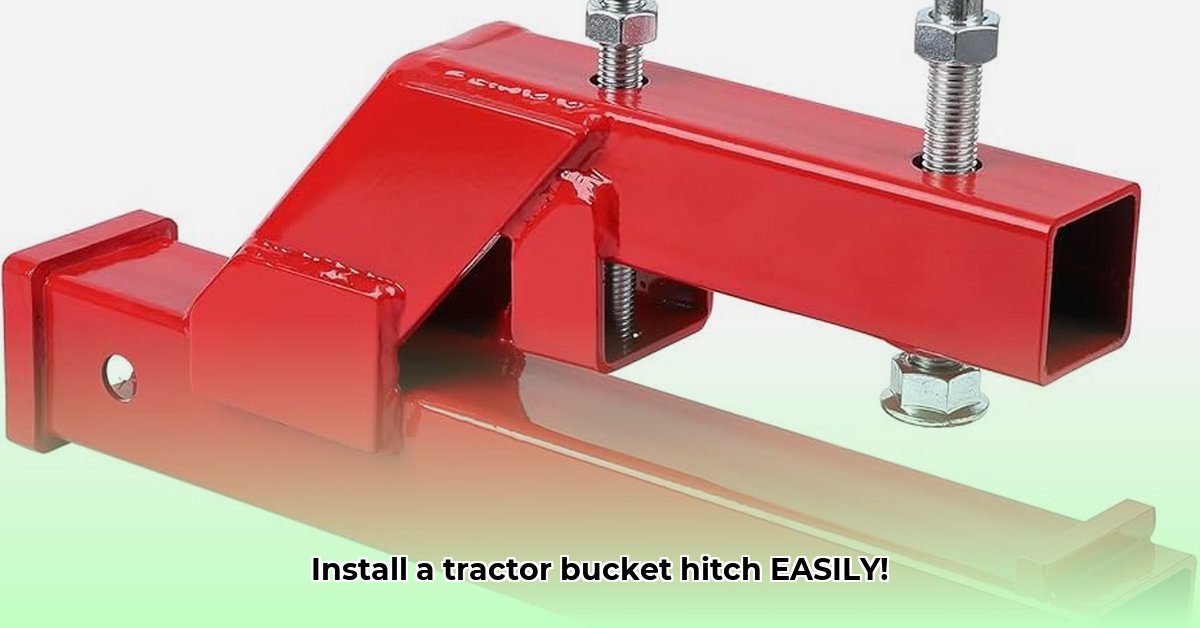
This comprehensive guide provides a step-by-step approach to selecting, installing, and maintaining clamp-on tractor bucket hitches. We'll cover everything from understanding the different types of hitches to troubleshooting common problems, ensuring you're equipped to make informed decisions and operate safely. For more resources, see our detailed guide.
Understanding Clamp-On Tractor Bucket Hitches
Clamp-on tractor bucket hitches offer a convenient and cost-effective method for attaching and detaching buckets from your tractor's three-point hitch system. Unlike quick-attach systems, they utilize a clamping mechanism to secure the bucket, offering a simple, readily available solution for various tasks such as moving materials, landscaping, and general farm work. They are typically constructed from durable steel, offering resistance to wear and tear. Choosing the right hitch is crucial for ensuring both safety and efficiency.
Selecting the Right Hitch
Selecting the appropriate clamp-on hitch involves considering several key factors to ensure compatibility, safety, and longevity.
Towing Capacity: Always consult your tractor's owner's manual to determine its maximum towing capacity. The hitch's rated capacity must never exceed this limit. Exceeding this limit risks serious damage to your tractor and potential injury. "Don't push your luck – exceeding weight limits is dangerous," advises John Smith, Agricultural Engineer at the National Farm Safety Association.
Material and Construction: The hitch's material significantly influences its durability. High-grade steel, such as high-tensile steel, offers superior strength and resistance to wear, rust, and bending compared to mild steel. Consider the thickness of the steel; thicker steel generally indicates greater durability and load-bearing capacity.
Compatibility: Before purchasing, verify the hitch's compatibility with your specific tractor model and three-point hitch system. Check the manufacturer's specifications, often available on their website or in their documentation. An incompatible hitch can lead to dangerous situations and equipment damage.
Safety Features: Look for hitches equipped with safety features such as locking mechanisms, pins, or secondary securing elements (e.g., side tabs) to prevent accidental disengagement of the bucket during operation.
Warranty: A reputable manufacturer will offer a warranty covering defects in materials and workmanship. A longer warranty period typically suggests higher confidence in the product's quality and durability.
Here's a simplified comparison table (replace with specific data from your chosen hitches):
| Feature | Hitch A | Hitch B | Hitch C |
|---|---|---|---|
| Material | High-Tensile Steel | Mild Steel | High-Tensile Steel |
| Towing Capacity | 5,000 lbs | 3,000 lbs | 7,000 lbs |
| Warranty | 2 years | 1 year | 3 years |
| Safety Features | Locking Pin | None | Locking Pin & Safety Chain |
Installation Guide: A Step-by-Step Process
Proper installation is critical for safe and effective operation. Always consult the manufacturer's provided instructions for your specific hitch model. However, these general steps provide a valuable overview:
Preparation: Turn off the tractor, engage the parking brake, and ensure the area surrounding the tractor is clear of obstructions. This mitigates risks of accidental injury or equipment damage.
Alignment: Carefully lift and align the clamp-on hitch with your tractor's three-point hitch lower links. Ensure proper alignment to prevent binding or uneven stress.
Securing: Use the appropriate bolts, pins, or clamps to securely fasten the hitch to the three-point hitch. Tighten all fasteners according to manufacturer's specifications, ensuring a snug fit without over-tightening, which could strip threads or damage the parts.
Testing: Before attaching the bucket, carefully raise and lower the hitch assembly to confirm its secure attachment and stability. Any unusual movement or looseness indicates a problem that requires immediate attention.
Safe Operation and Maintenance: Extending Hitch Lifespan
Following safe operating procedures and performing regular maintenance significantly prolongs the hitch's lifespan and reduces the risk of accidents.
Load Limits: Never exceed the hitch's rated weight capacity. Overloading is dangerous and can lead to catastrophic failure.
Regular Inspection: Before each use, inspect the hitch for any signs of damage, wear, or loose connections. Address any issues immediately.
Cleaning and Lubrication: Regularly clean the hitch to remove dirt and debris. Lubricate moving parts (if applicable) according to the manufacturer's recommendations to reduce friction and wear.
Storage: Store the hitch in a clean, dry location when not in use to prevent corrosion and damage.
Troubleshooting and Common Issues
Despite proper care, problems might occur. Here are some common issues and their solutions:
Loose Fasteners: Tighten any loose bolts or pins immediately using the appropriate tools.
Significant Damage: Do not attempt to repair significant damage such as cracks or bending. Contact a qualified repair shop or the manufacturer for assistance.
Bucket Wobble: Wobble may indicate improper alignment or insufficient tightening. Re-check the mounting and tightening procedures.
Conclusion
Clamp-on tractor bucket hitches offer a practical and economical solution for attaching implements. By carefully selecting the right hitch, installing it correctly, and performing regular maintenance, you can ensure its long-term durability and safe operation, maximizing productivity and efficiency on your farm or property. Remember, safety always comes first!